September 8, 2026
Discovering signs of wood-destroying insects in your home brings immediate concern for any property owner. These silent foragers operate out of sight, tunneling through the structural framework of houses long before visible symptoms emerge. Homeowners don't always notice something amiss immediately, like a sagging floorboard or a faint hollow sound when tapping a wall, but isolating the exact origin point remains difficult without specialized knowledge. The process requires a methodical approach to track these elusive pests back to their main colony.
To effectively stop the destruction, an exterminator must uncover where the insects are entering and nesting. This requires looking beyond surface damage to understand the complex tunnel networks hidden behind drywall and underneath foundations. Professionals use a combination of physical inspections, environmental assessments, and structural evaluations to map out the infestation. By learning how professionals conduct these thorough investigations, property owners can better understand the steps required to secure their homes and prevent future structural failures.
Investigate Exterior Mud Tubes
The journey to find the colony often begins on the outside of the building. Termites require constant moisture to survive, which forces them to construct protective tunnels out of soil and saliva when traveling above ground. These pathways typically appear along concrete foundations, climbing from the soil directly into the wooden siding or structural supports. Mud tubes are a primary indicator that an active population is trying to access the home.
When analyzing these structures, a pest professional breaks open a small section of the tube to check for live activity. If worker insects spill out, it confirms the pathway is currently in use. According to One Desk, termites cause over $5 billion a year in property damage. This staggering financial impact underscores why finding the initial entry points remains crucial for protecting the structural integrity of a house.
Tracing these mud tubes downward leads directly to the soil where the main nest is usually located. The exterminator examines the foundation perimeter, focusing on areas with high moisture retention such as leaky outdoor faucets, poorly draining gutters, or dense shrubbery. By identifying the exact spot where the tubes originate, professionals can pinpoint the localized colony and plan a targeted barrier treatment to sever the connection between the nest and the house.
Locate Discarded Wings
Another significant clue in tracking down a nest involves finding discarded wings around the property. During specific times of the year, usually in the spring, mature colonies release winged insects tasked with starting new populations. These swarmers don't fly far, but they mate and then shed their wings before burrowing into the ground or available wood. Finding piles of these delicate, translucent wings on windowsills, porches, or caught in spider webs suggests a colony is thriving nearby.
Professionals pay close attention to where these wings accumulate because swarmers are attracted to light sources. An exterminator will inspect light fixtures, exterior doors, and bright windows to see where the flight originated. If the wings are found inside the house, it doesn't just indicate a yard problem, but reveals the nest has already been established within the interior walls or crawlspace. This distinction drastically changes the inspection strategy and the areas targeted for treatment.
Mapping the distribution of wings helps narrow down the search radius for the main colony. If a large concentration of wings surrounds a specific rotting tree stump in the backyard, the professional will focus their soil probing in that immediate vicinity. Conversely, finding wings trapped inside a closed garage suggests the breeding population resides in the adjacent framing. Tracking these flight patterns allows professionals to transition from a general property overview to a specific search grid.
Examine Damaged Wood Structures
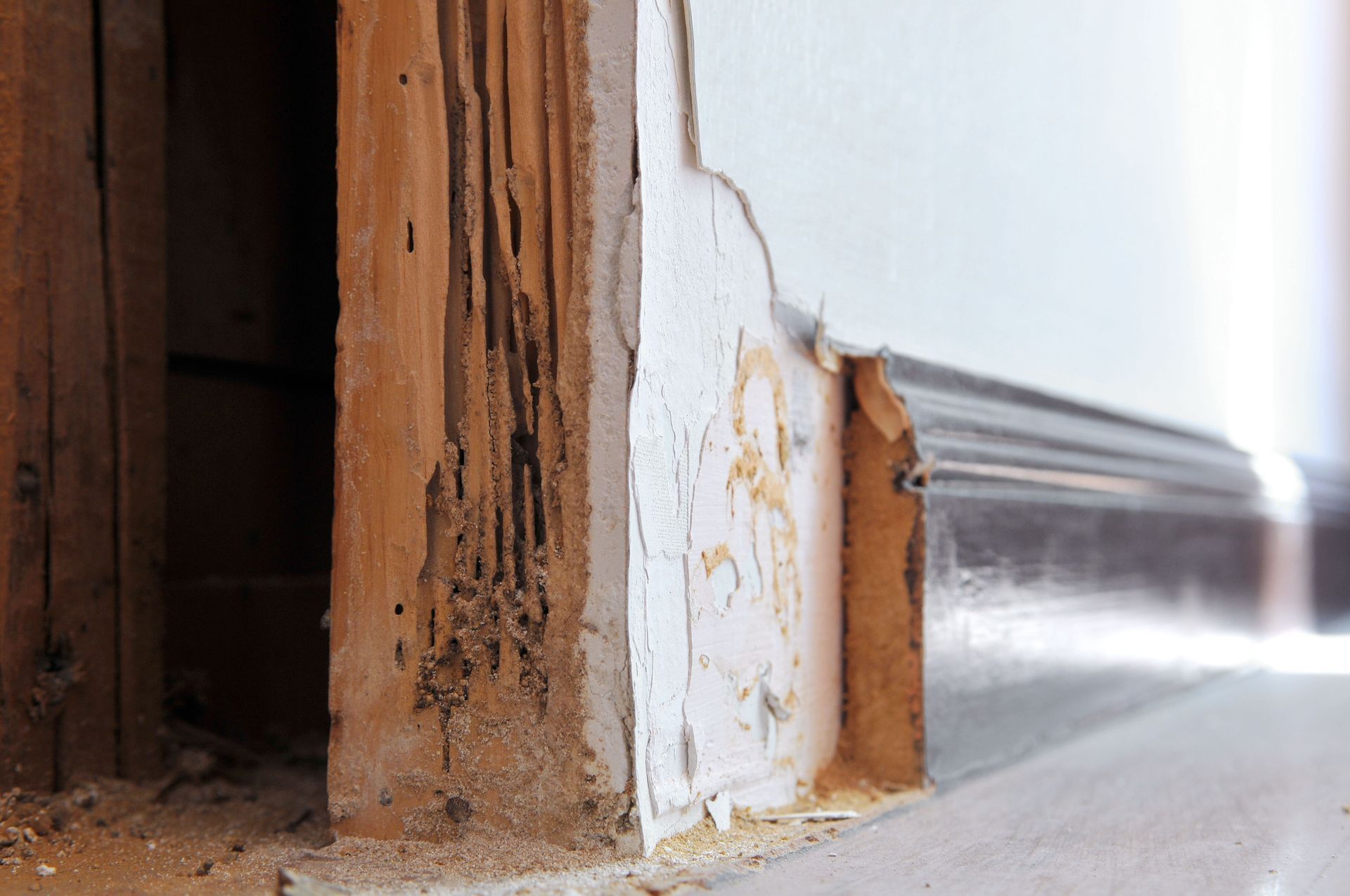
When external signs lead indoors, the focus shifts to the condition of the wooden structures themselves. Unlike other wood-boring insects, these pests consume the cellulose from the inside out, leaving the exterior surface appearing normal until it becomes too thin to support any weight. Inspectors tap on baseboards, support beams, and floor joists to listen for a hollow sound. This auditory feedback provides a reliable method for finding hidden damage behind painted surfaces.
Once hollow wood is discovered, probing the material reveals the distinct feeding patterns left behind. These insects create galleries that run parallel to the grain of the wood, carefully preserving the harder structural rings while consuming the softer material in between. They also pack their tunnels with dried mud and soil to maintain a humid environment. Seeing this specific type of destruction allows an exterminator to confirm the exact species responsible and trace the galleries back toward the entry point.
Following the network of damaged wood acts like a roadmap leading to the source. The damage typically grows more severe the closer it gets to the ground or the initial point of entry. By assessing which beams are compromised and mapping the direction of the hollowed sections, professionals can backtrack the foraging paths. This structural autopsy inevitably leads to the dark, damp locations where the colony first breached the foundation or exterior walls.
Utilize Advanced Detection Equipment
Modern technology plays a vital role in identifying infestations that don't leave immediate visual or auditory clues. In areas where physical access is limited, such as behind finished basement walls or underneath heavy flooring, professionals rely on specialized tools to peer into the hidden spaces. Infrared thermometers and thermal imaging cameras are frequently deployed to scan large surface areas. Since active colonies generate heat and moisture, these cameras highlight temperature anomalies within walls that warrant further investigation.
Moisture meters also serve as essential instruments for mapping potential nesting sites. These pests require high humidity to survive, so they deliberately bring moisture into the dry structures they inhabit. By pressing a moisture meter against drywall or structural timber, an exterminator can detect unusual dampness in areas that shouldn't be wet. Spikes in moisture readings often correlate directly with active galleries, helping professionals zero in on the precise location without needing to tear down walls prematurely.
Some advanced inspections even incorporate acoustic emission devices to listen for the faint sounds of chewing or movement within the wood. These sensitive stethoscopes amplify the vibrations created when insects tear away cellulose fibers or when soldiers tap their heads against the tunnels in alarm. By triangulating these sounds, professionals can pinpoint the exact origin of the activity, ensuring that the subsequent treatment reaches the heart of the colony rather than just the peripheral foragers.
Identifying the origin of a wood-destroying insect population requires patience, expertise, and a sharp eye for subtle environmental clues. From tracing external mud tubes to analyzing discarded wings and utilizing thermal technology, the inspection process becomes a scientific investigation. Each piece of evidence builds upon the last, allowing an exterminator to construct a clear picture of how the insects navigate the property and where they return to rest. This diligent mapping forms the foundation of any successful intervention.
Without locating the root cause, treatments may only address a small fraction of the problem, leaving the hidden nest intact to continue its silent destruction. By relying on a combination of traditional tracking methods and modern diagnostic tools, professionals can effectively isolate the source.
If you need an experienced exterminator, contact Premier Pest Control today to schedule an inspection and protect your home from structural damage.