June 11, 2026
A pest control service plays a critical role in maintaining clean, safe, and healthy environments across homes and businesses by addressing infestations that can quickly escalate if left untreated. The choice between a one-time treatment and multiple scheduled visits often determines how effectively pest issues are resolved over time, since each approach is designed for different levels of severity and persistence. A single treatment is typically suited for smaller, contained problems that require fast resolution, while ongoing visits are better aligned with recurring or high-risk infestations that need continuous monitoring and adjustment. Each pest control service approach serves a distinct purpose, and the right option depends on factors such as the extent of the infestation, property conditions, and long-term expectations for prevention and control.
At a practical level, pest control decisions are rarely straightforward because no two infestations behave in exactly the same way. Some situations require immediate action to restore safety and comfort, while others demand a longer-term strategy focused on prevention and early detection. Understanding how each pest control service model works helps set realistic expectations about results, timing, and maintenance needs, while also reducing the likelihood of repeat infestations caused by unresolved underlying conditions.
Understanding One-Time Service Choosing
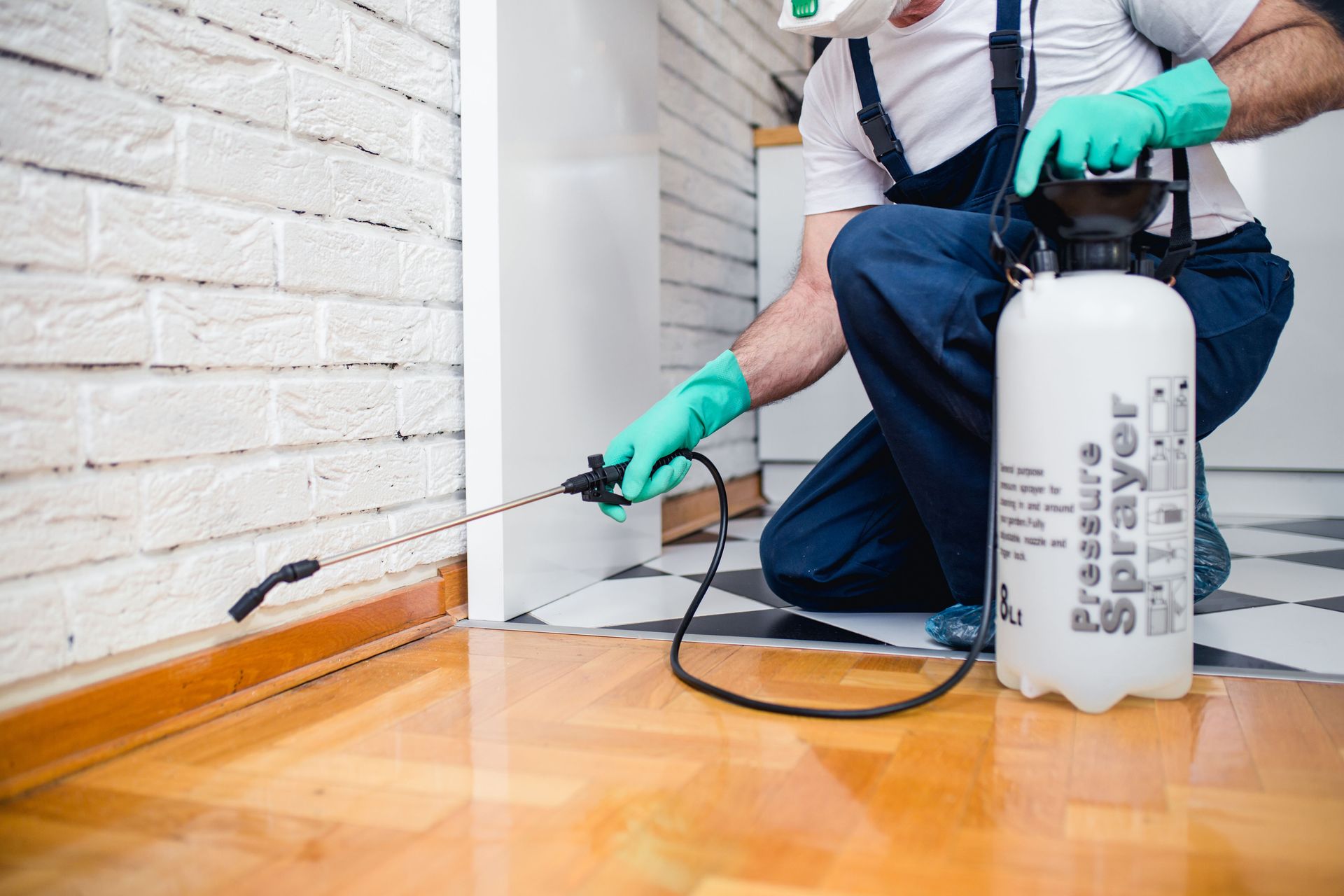
A one-time pest control service is designed as a single, targeted treatment that addresses an active infestation. It typically begins with an inspection, followed by direct treatment to eliminate visible pest activity. This approach is often used when the issue appears contained and not widespread.
Many property owners choose a pest control service like this because it offers simplicity and immediate results. It avoids ongoing scheduling and provides a clear start-and-finish solution. This makes it appealing for minor or short-term pest issues.
However, this method assumes the underlying cause has been addressed or is minimal. If entry points or attractants remain, pests may return after treatment. A pest control service in this format works best when paired with basic prevention efforts at the property level.
Managing Multiple Visit Service Planning
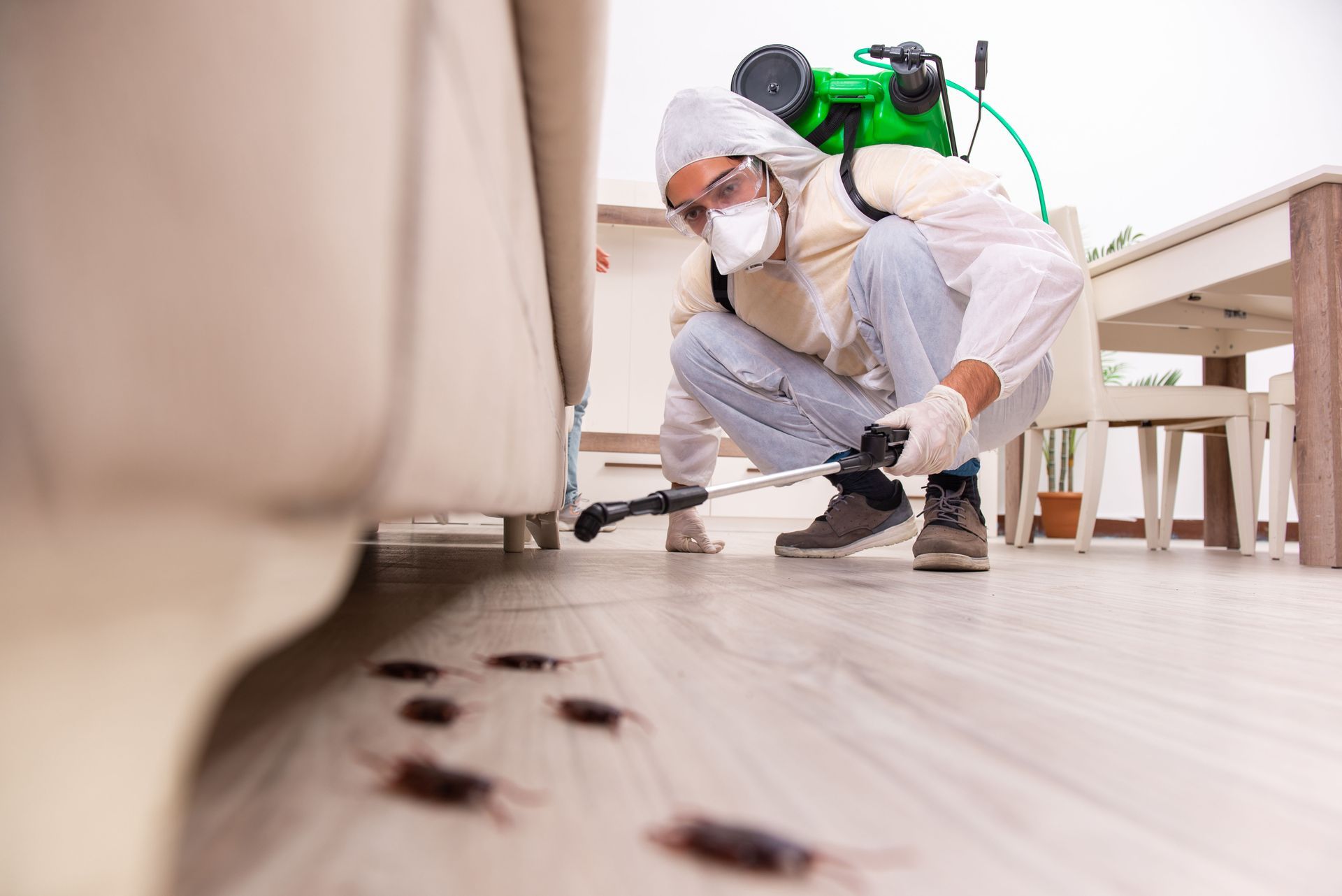
A multiple-visit pest control service focuses on ongoing monitoring and repeated treatments over time. Instead of resolving the issue in one visit, it builds a structured plan that adapts based on pest activity. This approach supports long-term control rather than short-term fixes.
This type of pest control service is commonly used in environments where pest risks are persistent. Commercial properties, food-related businesses, and older buildings often benefit from continued oversight. Regular visits allow technicians to track patterns and intervene early.
Flexibility is another advantage of this approach. Treatment strategies can be adjusted as conditions change, such as seasonal pest activity or environmental shifts. A pest control service with scheduled visits can respond more effectively to evolving infestations. Communication also plays a key role. Property owners receive updates and guidance on reducing risk factors, which helps improve overall outcomes and long-term prevention.
Weighing Cost Efficiency Understanding
Cost is a major factor when comparing service types. A one-time pest control service usually has a lower upfront cost, which makes it attractive for immediate budget considerations. It provides a simple, single-payment structure.
However, if pests return, additional one-time treatments may be needed. Over time, these repeated services can exceed the cost of a planned program. This is where a structured pest control service with ongoing visits may provide better long-term value.
Multiple-visit plans distribute cost across a set schedule, such as monthly or quarterly payments. This creates predictable budgeting and reduces surprise expenses. It also includes preventive work that helps avoid larger infestations. Cost efficiency is not just about price but about results over time. A pest control service that prevents recurrence often delivers stronger financial value in the long run.
Measuring Effectiveness Improving
Effectiveness depends on both immediate results and long-term prevention. A one-time pest control service can be highly effective for small, localized infestations. It provides fast relief and visible improvement. The limitation appears when underlying issues remain unresolved. Structural gaps, moisture, or food sources can continue attracting pests after treatment. Without follow-up, reinfestation becomes more likely.
A multiple-visit pest control service improves effectiveness through continuous evaluation. Technicians can assess progress and adjust treatments as needed. This reduces the chance of pests returning and improves long-term control. Ongoing monitoring ensures that changes in pest behavior are addressed quickly. This makes the overall approach more stable and reliable.
Selecting Pest Type Considering
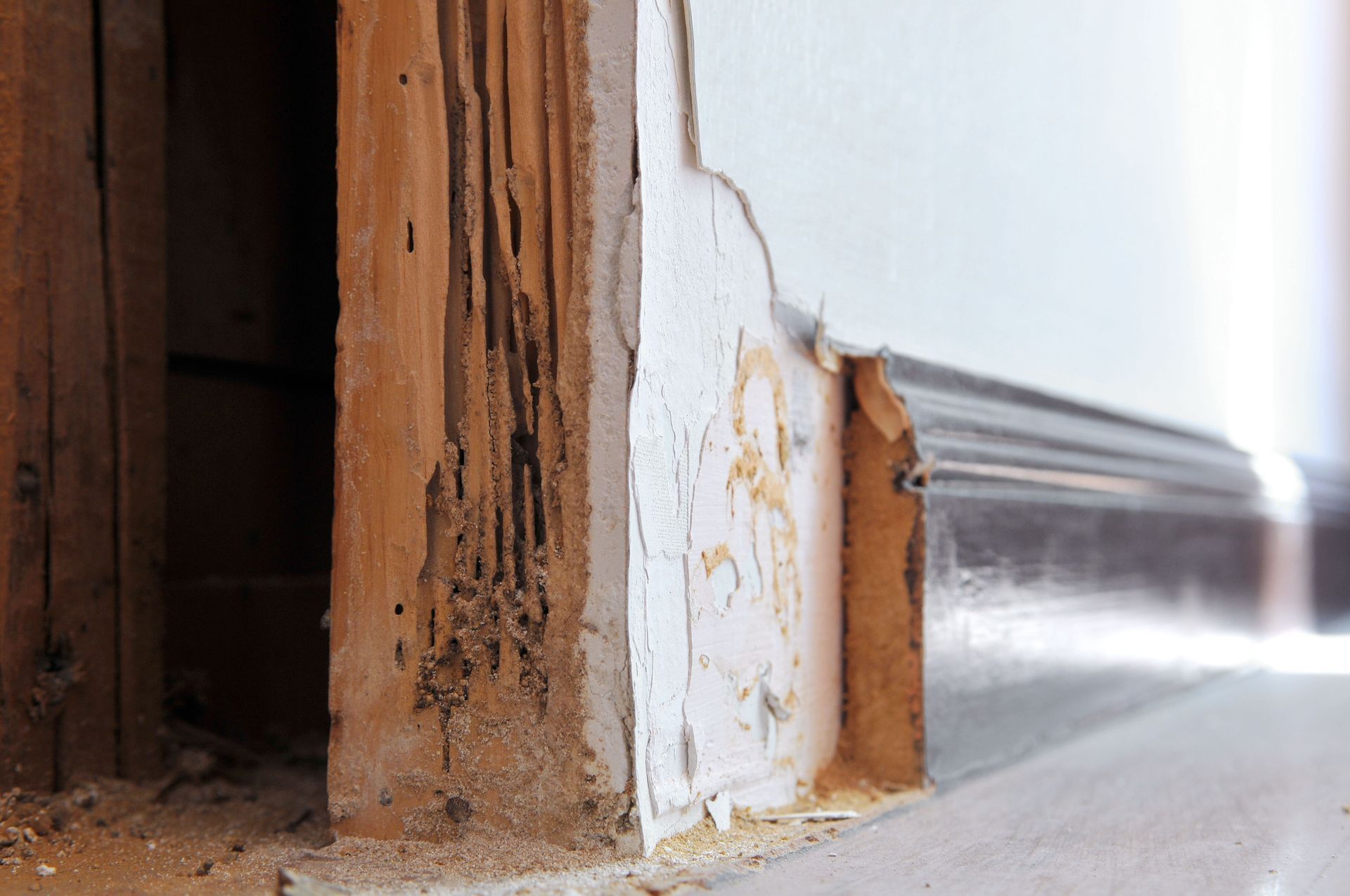
Different pests require different control strategies. Some, like ants or occasional insects, can often be managed with a one-time pest control service. These infestations are usually easier to isolate and eliminate. Other pests, such as termites or rodents, are more complex. They often hide in inaccessible areas and reproduce quickly. In these cases, a pest control service with multiple visits is more effective for full control.
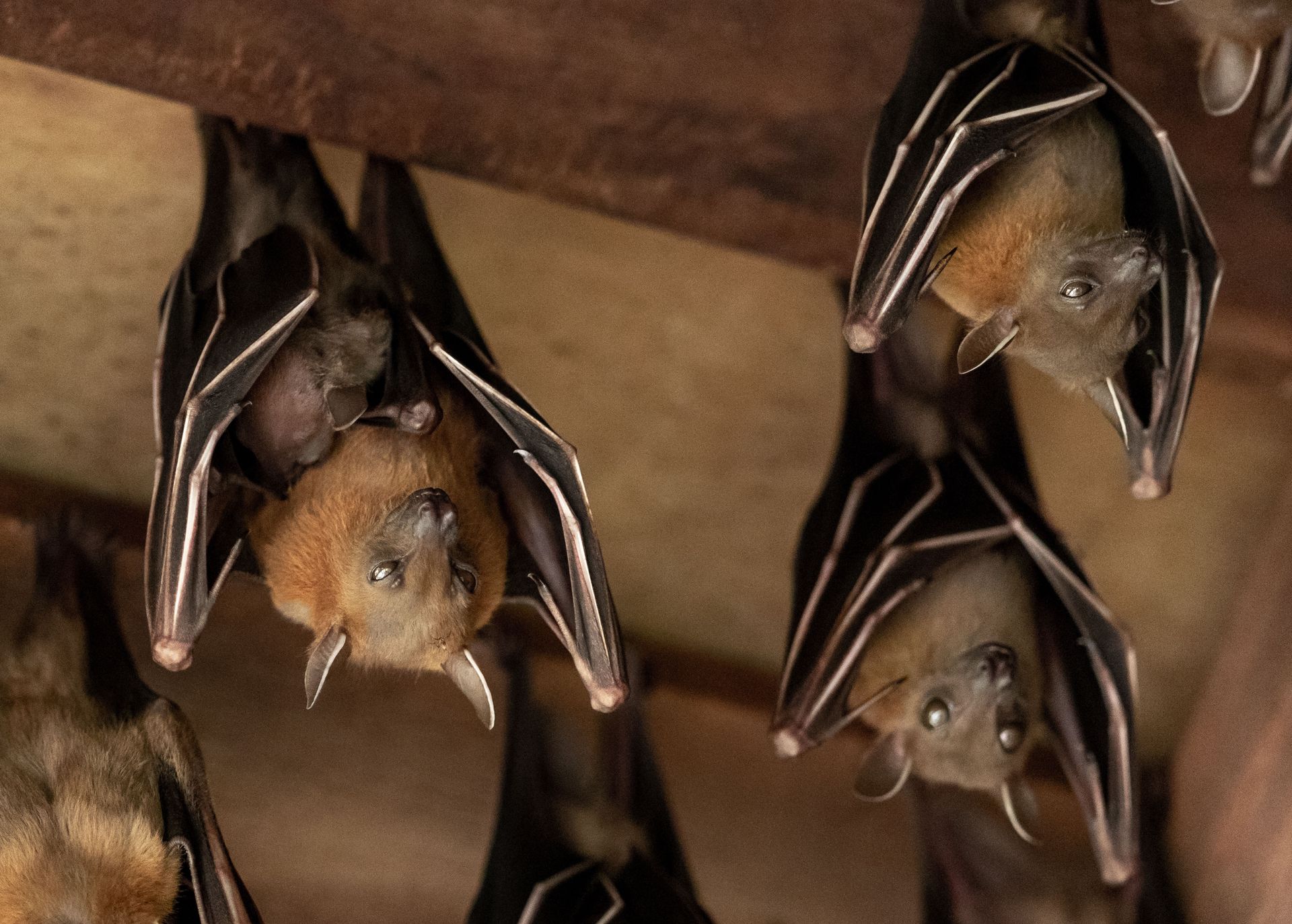
Rodents are especially challenging because they move constantly and can spread quickly through a structure. A single treatment may reduce activity but not eliminate the entire issue. According to the EPA, rodents are associated with the transmission of more than 35 diseases, which highlights the health risks they pose beyond property damage. This is why ongoing monitoring becomes essential. Understanding pest behavior helps determine the right approach and avoids repeated failures.
Reducing Environmental Impact Reviewing
Environmental impact is becoming an important part of pest control decisions. A one-time pest control service may involve stronger treatment applications to achieve immediate results. This can increase short-term chemical usage. Multiple-visit programs often use a more controlled approach. Treatments are spaced out and adjusted based on need rather than applied all at once. This makes the process more balanced over time.
Many modern pest control service models also use integrated pest management techniques. These focus on prevention, habitat control, and minimal chemical use. The goal is to reduce reliance on treatment alone. This approach supports both effectiveness and environmental responsibility, especially in residential and sensitive environments.
Choosing Service Approach Deciding
The decision between service types depends on urgency, pest severity, and long-term goals. A one-time pest control service works best for minor, contained issues that are unlikely to return. It is efficient for quick resolution. Multiple-visit services are better suited for recurring or high-risk infestations. A pest control service structured this way provides consistency, monitoring, and prevention. It is more effective for long-term stability.
The key difference is reaction versus prevention. One focuses on immediate removal, while the other prioritizes sustained control. Matching the service to the situation ensures better outcomes. Choosing the right approach ultimately depends on understanding the problem rather than relying on a single standard solution.
Both one-time and multiple-visit approaches offer value depending on the situation, but their effectiveness ultimately depends on how complex the pest issue is and how likely it is to return over time. A pest control service can deliver strong results in either format when it is properly matched to the severity of the infestation, the type of pest involved, and the surrounding environmental conditions of the property.
In simpler cases, a single treatment may be enough to quickly address the problem and restore normal conditions without requiring follow-up visits. However, in more persistent or widespread situations, a structured approach with ongoing visits helps ensure pests are not only eliminated but also kept from coming back through continued monitoring, prevention, and adjustments to treatment strategies.
The most reliable outcomes come from choosing a strategy that considers long-term prevention rather than focusing only on immediate relief, since factors like building structure, nearby vegetation, and pest behavior all influence whether an infestation will reoccur. For prompt assistance and a tailored prevention plan, contact Premier Pest Control to schedule an inspection today.