November 13, 2026
Termites can weaken a property's structural integrity long before visible damage appears. By feeding on wood and other cellulose-based materials, they can damage floor joists, support beams, and wall framing, leading to costly repairs.
For property owners in Mitchell, SD, early detection and professional pest management are essential. An experienced exterminator can identify termite activity, address existing infestations, and help prevent recurring problems through targeted treatments and ongoing property protection.
Understanding the Risks of Termite Infestations
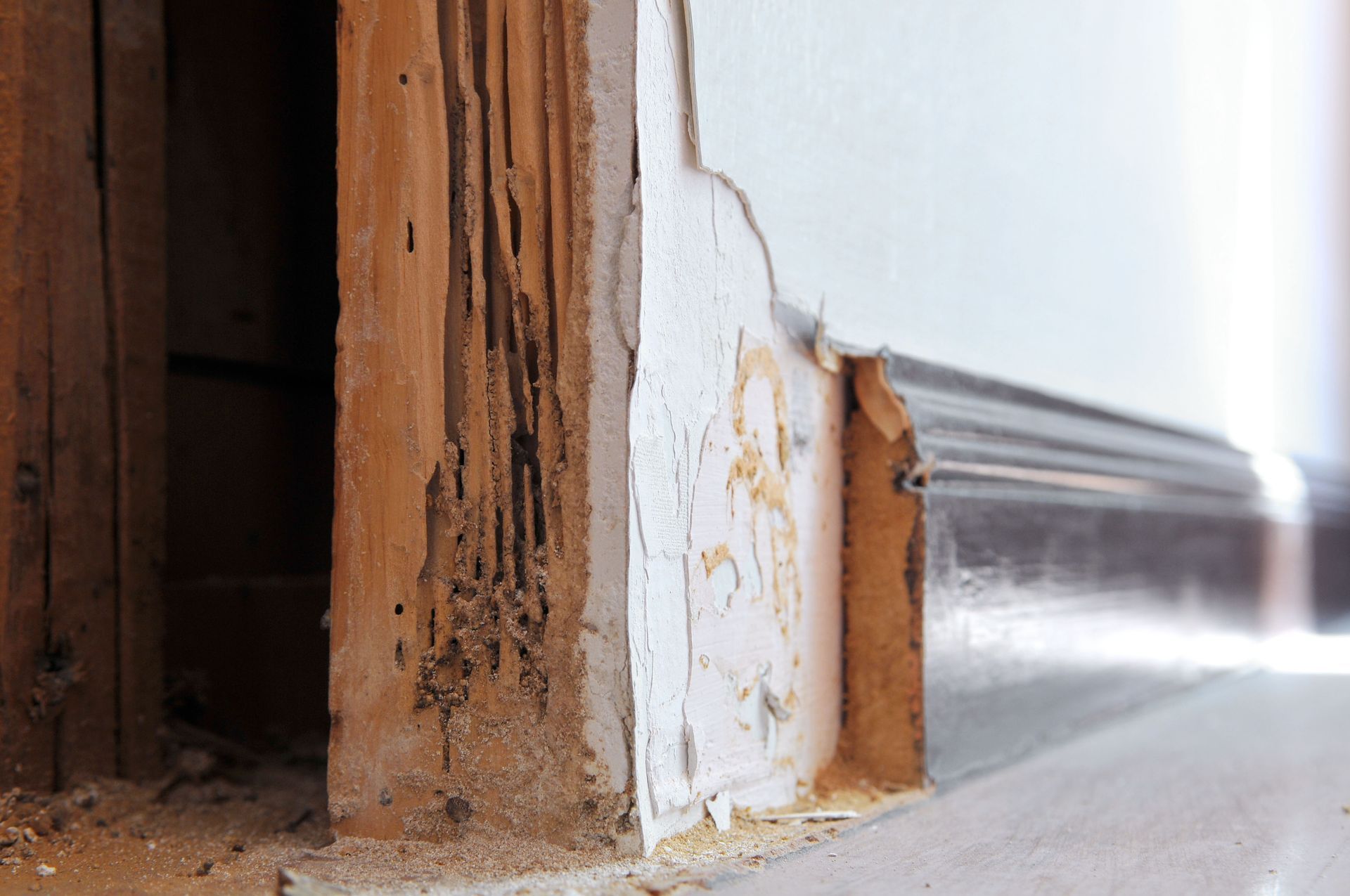
Termites are difficult to detect because they typically establish colonies in concealed locations, including underground areas, crawl spaces, wall cavities, and wooden structural components. Unlike pests that leave obvious signs of activity, termites can feed internally, leaving the exterior of wooden materials relatively intact while damaging their interiors.
The potential for destruction is significant. According to Today's Homeowner, a moderate-sized colony of 60,000 termite workers can consume a square foot of lumber in just one month. This demonstrates how quickly an established colony can damage wooden structures when left untreated.
Over time, termite activity can affect floorboards, window frames, door structures, support beams, and other essential building materials. As the damage progresses, property owners may experience sagging floors, weakened supports, and costly structural repairs. In severe situations, extensive damage may require replacing major sections of a building's wooden framework.
Professional inspections help identify these threats before they develop into more serious problems. An experienced exterminator understands termite behavior and knows where colonies are likely to establish themselves, making professional assessments an important part of protecting residential and commercial properties.
Recognizing the Early Signs of Termite Activity
Early identification plays a major role in limiting termite damage. Although these insects often remain hidden, certain warning signs can indicate that a colony is active nearby or within a structure.
Mud tubes are among the most recognizable signs of subterranean termite activity. These narrow, soil-like tunnels often appear along foundations, basement walls, crawl spaces, and other surfaces. Termites construct them to maintain moisture while traveling between their colony and food sources.
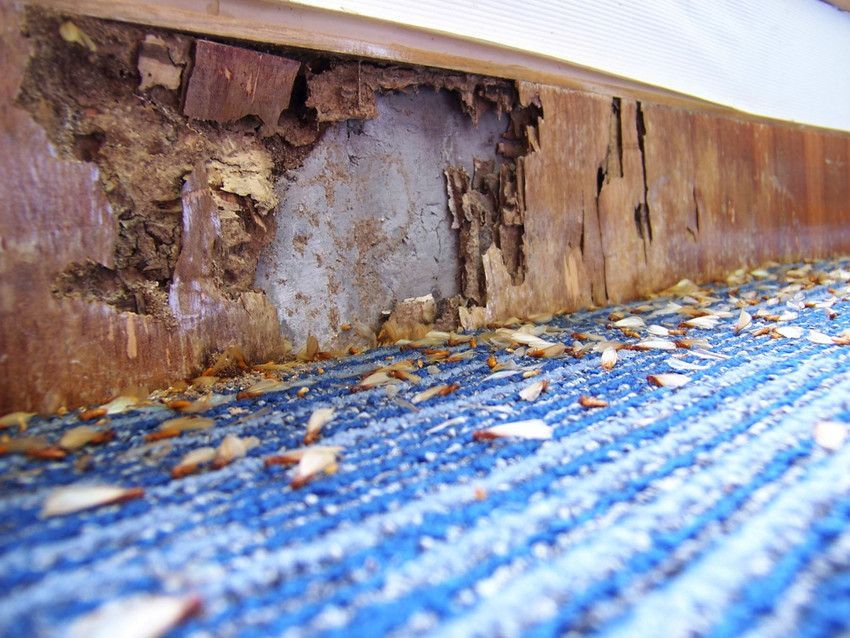
Other potential indicators include hollow-sounding wood, bubbling or uneven paint, discarded wings near windows, and small piles of termite droppings. Homeowners may also notice doors or windows becoming difficult to open as damaged or moisture-affected wooden materials change shape.
However, these symptoms are not always exclusive to termites. Moisture problems and other wood-damaging organisms can produce similar signs, making accurate identification important. A qualified exterminator can evaluate suspicious areas, determine whether termites are responsible, and recommend an appropriate course of action.
Recognizing these warning signs early can help property owners avoid allowing a relatively small infestation to develop into a much larger structural concern.
Evaluating Vulnerable Areas Around the Property
A thorough property assessment is one of the most valuable steps in preventing termite damage. Because termites are attracted to cellulose-containing materials and favorable moisture conditions, certain areas of a building may be more vulnerable than others.
Foundations, crawl spaces, basements, and areas where wooden components meet the soil deserve particular attention. Plumbing leaks, inadequate drainage, and persistent moisture around a structure can also create conditions that support termite activity.
In Mitchell and surrounding South Dakota communities, changing weather conditions make seasonal property assessments especially worthwhile. Spring snowmelt, heavy rainfall, and fluctuating temperatures can affect soil moisture around foundations. During warmer months, increased outdoor insect activity may also make termite swarming more noticeable.
As temperatures decline during fall and winter, termites do not necessarily disappear. Subterranean colonies can remain active below the frost line, while established infestations may continue feeding within protected areas of buildings. Heated interior spaces and concealed structural cavities can provide conditions that allow activity to continue.
A professional exterminator evaluates these vulnerable locations to identify potential entry points, moisture-related concerns, and evidence of existing infestations. This comprehensive approach helps property owners understand their exposure and make informed decisions about protecting their buildings.
Applying Targeted Treatments to Eliminate Termites
When termite activity is discovered, selecting an appropriate treatment is essential. Different infestations may require different approaches depending on the termite species, colony location, property construction, and extent of the damage.
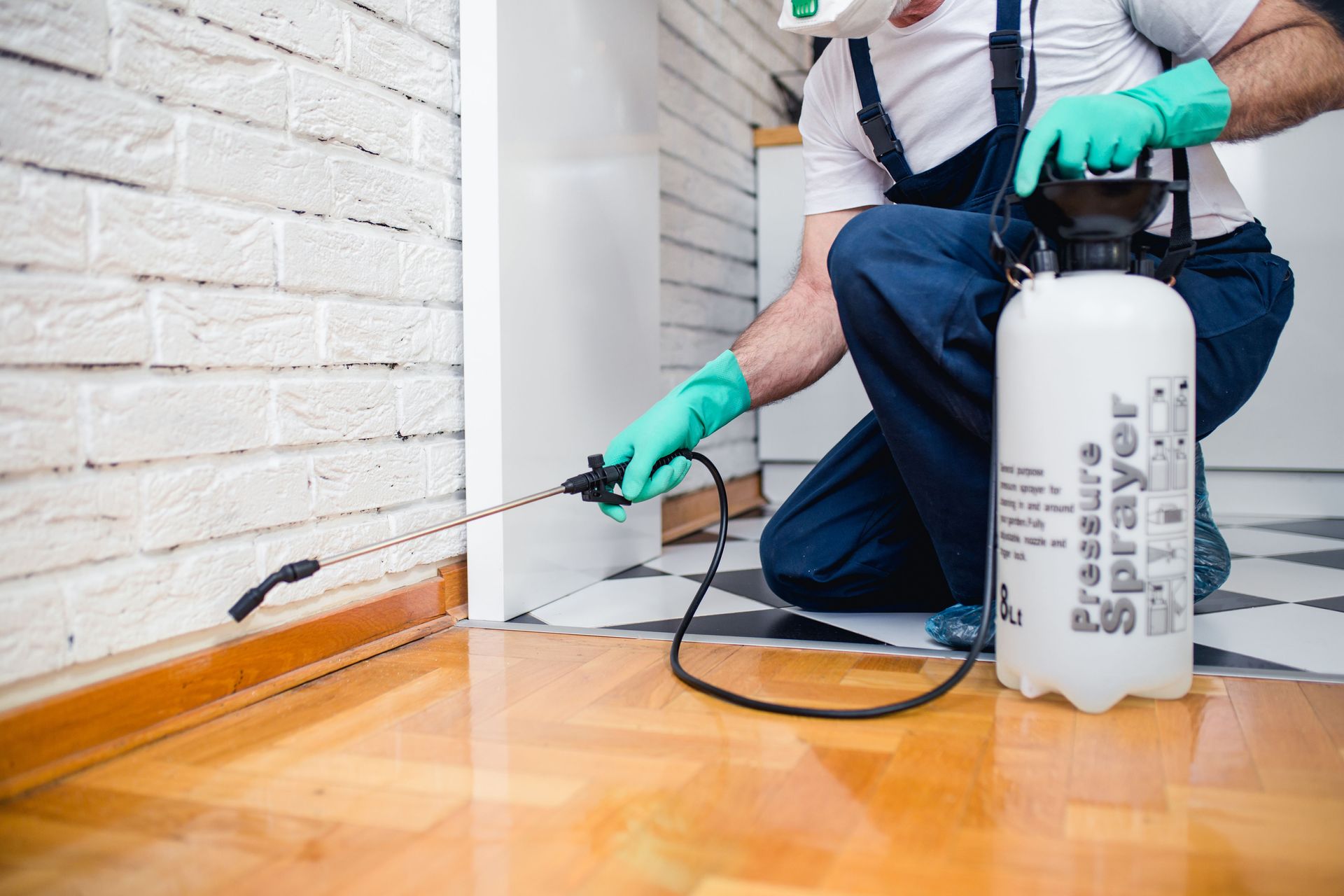
Professional termite treatments are designed to address active colonies while helping protect surrounding structural materials. Liquid barrier treatments, for example, create treated zones around vulnerable areas of a property. These applications can help prevent termites from accessing the structure and reduce opportunities for future infestations.
Other treatment methods may be appropriate depending on the specific circumstances. A knowledgeable exterminator evaluates the property and determines which professional application methods best address the identified problem.
Premier Pest Control provides targeted liquid barrier treatments, advanced applications for active infestations, and customized termite treatment plans. These services focus on eliminating existing termite activity while supporting longer-term property protection.
Professional treatment also offers the advantage of accurate application. Trained technicians understand how to identify vulnerable areas, select appropriate products, and apply treatments according to established safety requirements. This helps ensure that termite management addresses the actual source of the problem rather than focusing only on visible symptoms.
Prompt professional attention can make a meaningful difference in limiting further damage and protecting a property's structural condition.
Maintaining Long-Term Protection Against Termites
Eliminating an active infestation is important, but ongoing prevention is equally valuable. Termites can return when favorable conditions remain around a property, which is why long-term protection involves understanding potential vulnerabilities and monitoring changes over time.
Professional inspections provide an opportunity to evaluate whether previous treatments remain effective and whether new signs of termite activity have appeared. They can also help identify conditions that may increase the likelihood of future infestations.
Moisture management is another important consideration. Poor drainage, leaking pipes, and water accumulation near foundations can contribute to conditions that attract wood-damaging insects. Similarly, direct contact between untreated wood and soil can create accessible pathways for termites.
Property owners should also be aware of landscaping and storage conditions around their buildings. Excessive organic debris, accumulated wood materials, and certain structural vulnerabilities may increase exposure to pests.
Working with an experienced exterminator helps establish a prevention strategy that considers the property's construction, surrounding environment, and history of pest activity. Regular professional evaluations can provide valuable insight into changing conditions and help identify developing concerns before they become extensive.
For homeowners preparing for South Dakota's colder months, maintaining awareness of termite risks remains important even when outdoor insect activity decreases. Year-round attention to structural protection supports the long-term condition and value of a property.
Protecting Property Value Through Professional Inspections
Termite damage can affect more than a building's appearance. Because these insects target structural wood, an undetected infestation can influence a property's safety, condition, and overall marketability.
This is particularly important for homeowners considering refinancing, selling, or purchasing residential property. Mortgage approvals and real estate transactions may require documentation related to wood-destroying organisms, making professional inspections valuable during these processes.
A qualified exterminator can assess areas susceptible to wood-destroying insects, identify evidence of termite activity, and provide recommendations based on the inspection findings. Professional documentation can also help property owners better understand existing concerns and determine whether treatment or additional evaluation is necessary.
For commercial property owners, regular inspections are similarly important. Businesses depend on well-maintained buildings to support daily operations, protect equipment, and provide comfortable environments for employees and visitors. Addressing termite concerns promptly helps reduce the likelihood of unexpected structural repairs and operational disruptions.
Investing in professional termite management is ultimately an investment in maintaining a property's condition. Early intervention, appropriate treatments, and ongoing monitoring can help prevent avoidable damage while providing greater confidence in the building's long-term protection.
Whether you own a home, manage a rental property, or operate a commercial building, recognizing the importance of professional termite prevention can help you make informed decisions about maintaining your investment.
Protect your property from termites with professional inspections and treatments from Premier Pest Control. Serving Mitchell, SD, and surrounding areas, the team offers customized solutions backed by state-certified technicians and over 30 years of experience. Schedule with an exterminator today and request a same-day free estimate!